1. Emotional Appeal (Kawaii Factor)
- Cute, playful, or character-themed designs evoke happiness and nostalgia.
- Products feel more like gifts or collectibles, creating an emotional attachment.
- Example: Tony Moly’s panda hand cream or Etude House’s Hello Kitty series.
2. Stand Out on Shelves
- Korean beauty (K-beauty) market is highly competitive.
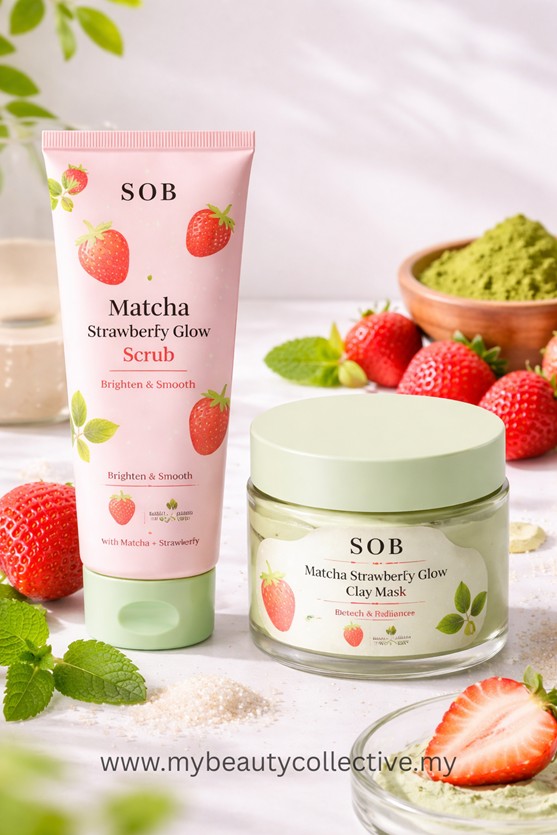
- Eye-catching, adorable packaging grabs attention instantly, especially in crowded stores or online platforms.
🔗 INTERNAL LINK: https://www.wondrousbp.com/iCosmetic-CasingLipgloss
3. Social Media & Shareability
- Cute packaging is Instagram- and TikTok-friendly.
- Consumers are more likely to post photos, giving the brand free organic marketing.
🔗 INTERNAL LINK: https://www.cwaysoftware.com/blog/korean-skincare- packaging-trends
4. Perceived Value & Fun Experience
- Adorable designs make skincare feel less clinical and more enjoyable.
- Creates a ritualistic and fun experience, increasing product loyalty.
5. Targeting Younger Consumers
- Millennials and Gen Z are drawn to playful aesthetics.
- Brands often mix high-quality formulations with fun visuals to appeal to aspiration + experience.
6. Cultural Influence
- Korea has a strong “cute culture” influence from K-pop, webtoons, and animation.
- This cultural context makes kawaii or charming designs socially acceptable and trendy.
Final Thought
Cute K-beauty packaging isn’t just about aesthetics—it’s a smart marketing strategy that sets Korean skincare apart. By combining playful designs with shareable, Instagram-worthy appeal, K-beauty brands turn everyday skincare routines into fun and memorable experiences. Ultimately, these adorable packaging trends help Korean skincare stand out, engage consumers, and build lasting loyalty.